
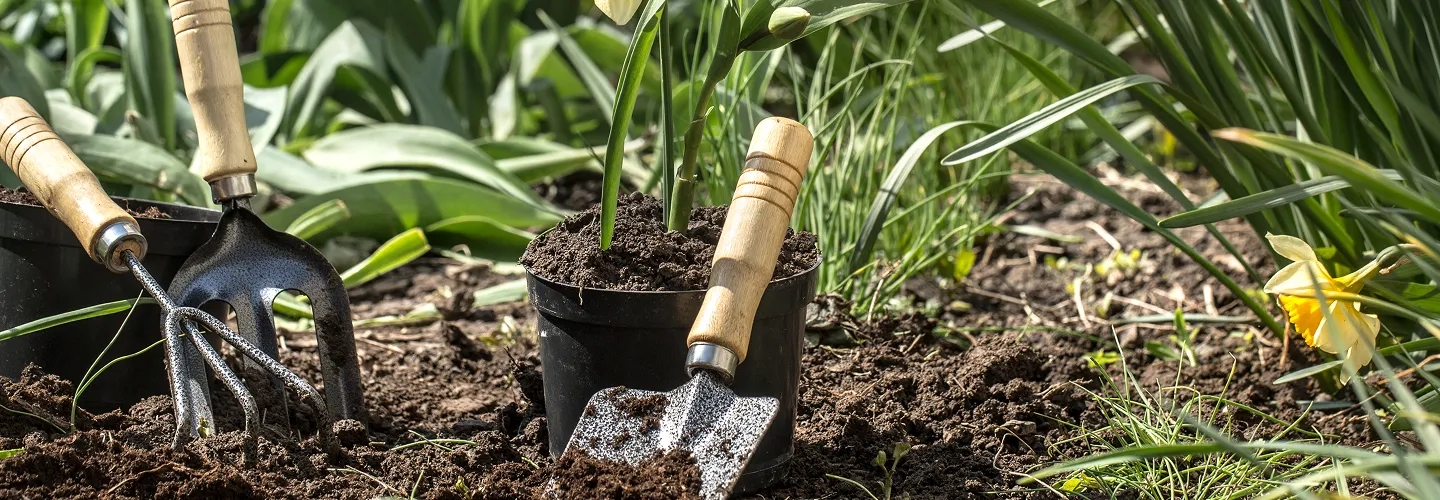
Suncoast Estates Green Waste Disposal Services
Choose our Green Waste Disposal for reliable, environmentally responsible removal of your yard debris—keeping your property beautiful while protecting the planet.
Get a Free QuoteOur Suncoast Estates Landscaping & Yard Care Services
When to Schedule Green Waste Disposal in Suncoast Estates, Florida – Seasonal Guide
In Suncoast Estates, Florida, the timing of green waste disposal is closely tied to our unique subtropical climate and the rhythms of local landscaping needs. The best periods for scheduling green waste removal are typically late winter through early spring and again in late summer, just before the peak of hurricane season. These windows align with the end of frost risk and the start of rapid plant growth, as well as the need to clear debris before heavy rains and storms. Neighborhoods near Suncoast Community Park and along Orange River Boulevard often experience dense foliage and rapid growth, making timely disposal essential for maintaining curb appeal and preventing yard waste buildup.
Local environmental factors such as high humidity, sandy soils, and the prevalence of shade from mature oaks and palms all influence when and how often green waste should be managed. For example, areas with heavier shade coverage, like those near the Suncoast Estates Civic Association, may see slower decomposition rates, requiring more frequent pickups. Additionally, municipal guidelines and seasonal restrictions can affect disposal schedules—it's always wise to check with local resources for the latest updates.
Local Factors to Consider for Green Waste Disposal in Suncoast Estates
- Tree density and types of vegetation (e.g., palms, oaks, citrus)
- Proximity to water bodies and flood-prone zones
- Seasonal precipitation and hurricane preparedness
- Soil type and drainage characteristics
- Municipal collection schedules and restrictions
- Neighborhood-specific landscaping trends and HOA guidelines
Benefits of Green Waste Disposal in Suncoast Estates

Eco-Friendly Waste Management
Promotes Healthy Landscapes
Reduces Landfill Usage
Enhances Curb Appeal
Supports Local Sustainability
Convenient Pickup Services
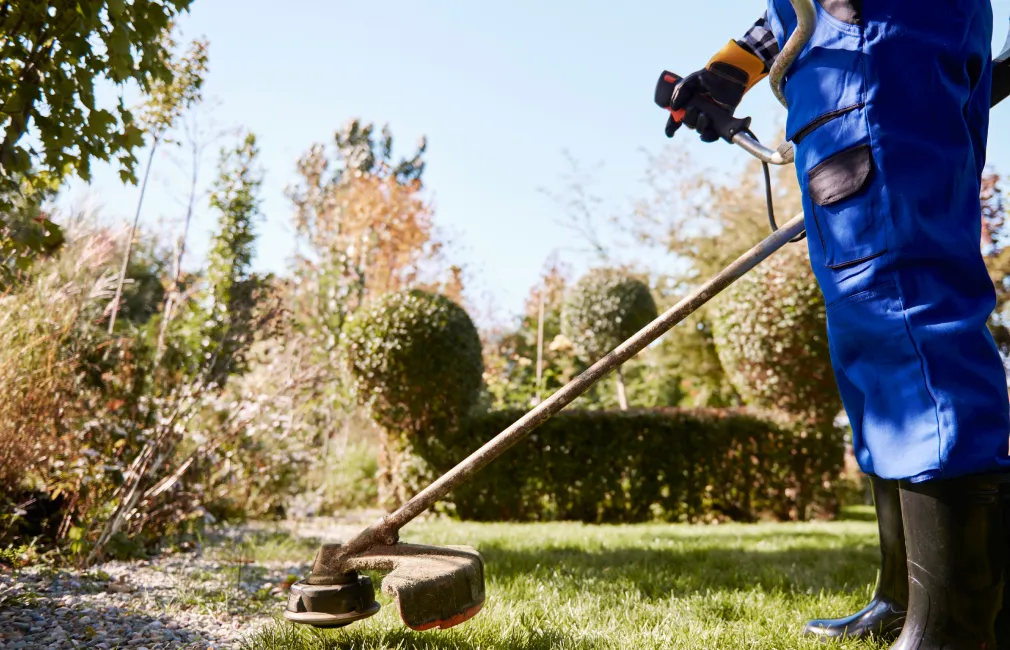
Suncoast Estates Green Waste Disposal Types

Grass Clippings
-
Tree Branches
-
Shrub Trimmings
-
Leaves and Foliage
-
Palm Fronds
-
Garden Weeds
-
Mulch and Wood Chips
Our Green Waste Disposal Process
Collection of Green Waste
Sorting and Separation
Transport to Disposal Facility
Eco-Friendly Processing
Why Choose Suncoast Estates Landscape Services
-
Suncoast Estates Homeowners Trust Us
-
Expert Lawn Maintenance
-
Reliable Scheduling
-
Competitive Pricing
-
Professional Team
-
Satisfaction Guarantee
-
Personalized Service
Coordinating Green Waste Disposal Through Lee County Services in Suncoast Estates
Suncoast Estates is an unincorporated community in Lee County, which means green waste disposal coordination falls under county-level departments rather than a standalone municipal program. Residents and property managers should verify current curbside vegetative debris collection schedules, accepted material types, and bundling or containerization requirements directly through Lee County's solid waste division. Green waste typically includes grass clippings, leaves, palm fronds, small branches, and other organic yard debris, but specific size limits and preparation standards apply.
- Vegetative debris must generally be separated from household trash and construction materials at the curb
- Loose clippings, leaves, and small trimmings should be placed in approved containers or bags rather than left in open piles near swales or drainage inlets
- Larger branches and palm fronds may require bundling or cutting to specified lengths; verify current requirements with the county
- Commercial landscaping operations generating green waste may be subject to different hauling and disposal rules than residential curbside collection
Lee County Department of Community Development
1500 Monroe Street, Fort Myers, FL 33901
Official Website: Lee County Department of Community Development
Property owners undertaking large-scale land clearing or tree removal that generates significant green waste volumes should confirm whether site-specific review or disposal routing applies through the county's development services process.
How Suncoast Estates's Gulf Coast Climate Intensifies Green Waste Accumulation
Suncoast Estates sits within the Gulf Coast Florida climate zone, classified in USDA Hardiness Zone 10a, where year-round warmth and a pronounced wet season from roughly June through October drive aggressive vegetative growth. This climate directly affects the volume and frequency of green waste generation across residential and commercial properties.
- Rapid growth cycles: St. Augustinegrass, bahiagrass, and tropical ornamentals produce heavy clipping and pruning volumes during the wet season, when rainfall can exceed eight inches per month and humidity remains consistently above 70 percent
- Sandy, low-retention soils: Much of the Suncoast Estates area features sandy soils with limited organic content, which means decomposing green waste left on-site can wash into swales, roadside ditches, and nearby drainage channels during heavy rain events
- Storm debris surges: Tropical storms and hurricanes generate sudden, large volumes of downed palm fronds, broken branches, and uprooted vegetation that require organized disposal beyond routine collection
- High water table sensitivity: Organic debris left in low-lying areas or near drainage infrastructure can contribute nutrient loading into shallow groundwater, a concern documented through the Florida DEP NPDES Stormwater Program
These conditions mean that green waste disposal in Suncoast Estates is not a seasonal task but a continuous operational requirement throughout the year.
Navigating Lee County Regulations and Environmental Compliance for Green Waste Disposal
Green waste disposal in Suncoast Estates must align with both county code requirements and broader environmental protections. Lee County enforces property maintenance standards that prohibit the accumulation of vegetative debris in ways that create nuisance conditions, obstruct drainage, or impair visibility along rights-of-way. Residents should be aware of the following regulatory considerations:
- Dumping or depositing green waste into canals, swales, retention ponds, or stormwater conveyance systems is prohibited under county ordinance and may also violate provisions of the Clean Water Act
- Properties adjacent to environmentally sensitive areas, including wetlands and preserve buffers, may face additional restrictions on where and how vegetative debris can be staged or stored before collection
- Lee County's tree requirements outline standards for tree-related work that may generate significant green waste; removal of protected or specimen trees may trigger review through the Department of Community Development
- Commercial landscape contractors hauling green waste must comply with county franchise or licensing requirements and may need to use designated transfer or disposal facilities rather than curbside placement
Lee County Government
2115 Second Street, Fort Myers, FL 33901
Official Website: Lee County Government
Stormwater discharge requirements under the EPA NPDES Stormwater Program apply to Lee County's municipal separate storm sewer system (MS4), reinforcing the importance of keeping organic debris out of drainage infrastructure throughout Suncoast Estates.
Timing and Methods for Proper Green Waste Disposal in Suncoast Estates
Effective green waste disposal requires attention to both preparation standards and seasonal timing. In Suncoast Estates's subtropical environment, the following professional practices help ensure compliance and efficiency:
- Wet-season scheduling: During June through October, schedule green waste removal promptly after mowing, pruning, or storm cleanup to prevent organic material from washing into nearby drainage features during afternoon thunderstorms
- Bundling and separation: Branches and woody material should be cut to manageable lengths and bundled separately from loose clippings and leaf litter; mixing green waste with construction debris, soil, or non-organic materials typically disqualifies loads from vegetative waste processing
- Curbside staging: Place green waste at the curb edge without blocking sidewalks, swales, mailboxes, or fire hydrants; avoid staging material directly over storm drain inlets or within drainage easements
- Post-storm protocols: After tropical weather events, Lee County may activate supplemental debris collection programs with modified schedules and staging requirements; monitor county announcements through official channels
Lee County Department of Transportation
Official Website: Lee County Department of Transportation
For properties with canal frontage or retention pond adjacency, green waste should be staged well away from the water's edge. The UF/IFAS guidance on protecting Florida's water resources emphasizes that decomposing organic material near waterways contributes excess nutrients that degrade water quality and promote algal growth.
What Neighborhoods Do We Serve Throughout Suncoast Estates, FL?
- Suncoast Estates proper: This core residential area features older single-family lots with mature tropical landscaping, including large palms and shade trees that generate consistent green waste volumes requiring regular disposal coordination.
- Palm Beach Boulevard corridor: Properties along and near this main corridor often have mixed residential and light commercial uses with narrow setbacks, making timely curbside green waste staging essential to avoid right-of-way obstructions.
- Buckingham Road area: Larger rural-residential parcels in this vicinity produce higher volumes of brush and vegetative debris, and property owners may need to arrange private hauling for loads exceeding standard curbside collection limits.
- Ortiz Avenue vicinity: Subdivisions near Ortiz Avenue tend to have smaller lot sizes with St. Augustinegrass lawns and ornamental hedging that generate frequent clipping and trimming waste, particularly during the wet season.
- Canal-adjacent properties along Ten Mile Canal: Homes bordering drainage canals face heightened responsibility to prevent green waste from entering waterways, requiring careful staging and prompt removal after landscape maintenance.