
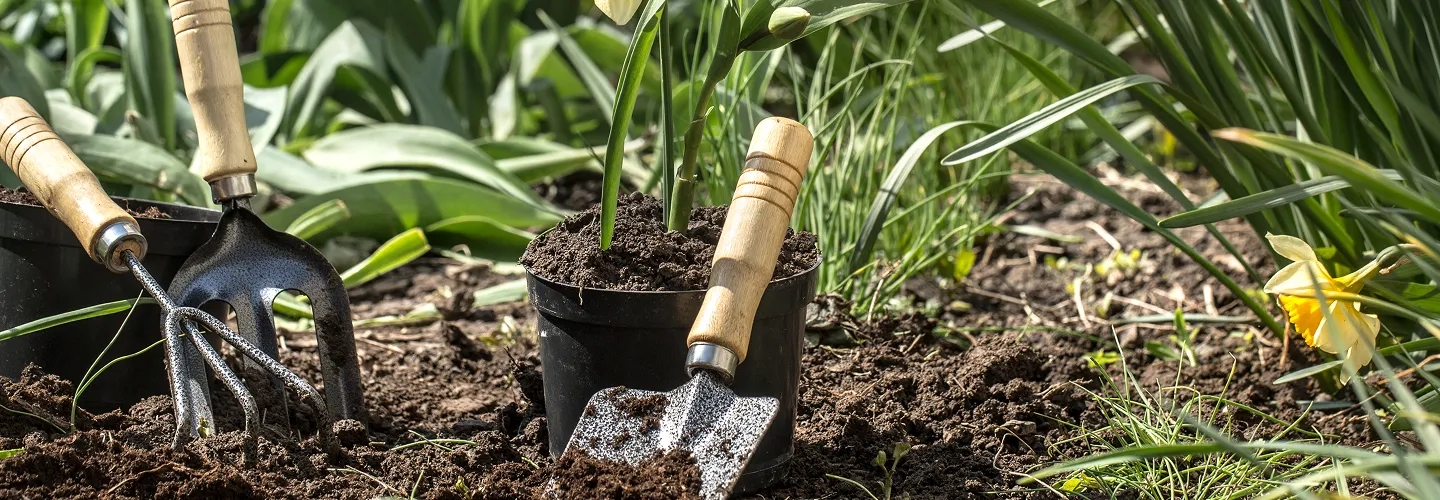
Suncoast Estates Weed Control Services
Choose our expert weed control services for reliable, long-lasting results that protect your landscape and enhance your curb appeal. Our proven methods ensure your lawn stays healthy, beautiful, and free from invasive weeds all year round.
Get a Free QuoteOur Suncoast Estates Landscaping & Yard Care Services
When to Schedule Weed Control in Suncoast Estates, Florida – Seasonal Guide
In Suncoast Estates, Florida, timing your weed control treatments is crucial for maintaining a healthy, vibrant landscape. The region’s subtropical climate, characterized by warm, humid summers and mild winters, means that weeds can thrive nearly year-round. However, the most effective periods for weed control are typically early spring and late fall, when soil temperatures and moisture levels are optimal for both pre-emergent and post-emergent applications. Local neighborhoods like Suncoast Estates Park and the areas surrounding Orange River are especially prone to rapid weed growth due to their proximity to water sources and shaded lots.
Environmental factors such as the last frost date—usually in late January—should guide your scheduling, as applying treatments too early or late can reduce effectiveness. Drought risk during the late spring and summer months, as well as high humidity and dense shade from mature oaks and pines, can also influence weed proliferation. Soil types in Suncoast Estates range from sandy to loamy, affecting both weed species and control strategies. For more information on local regulations and best practices, consult the official Suncoast Estates resource.
Local Factors to Consider for Weed Control in Suncoast Estates
- Tree density and shade coverage, especially near Suncoast Estates Park
- Soil composition (sandy vs. loamy)
- Seasonal precipitation and drought risk
- Proximity to water bodies like Orange River
- Municipal restrictions on herbicide use
- Timing of the last frost and onset of summer rains
Benefits of Weed Control in Suncoast Estates
Enhanced Curb Appeal
Healthier Lawns and Gardens
Reduced Maintenance Time
Prevention of Invasive Species
Improved Soil Quality
Increased Property Value
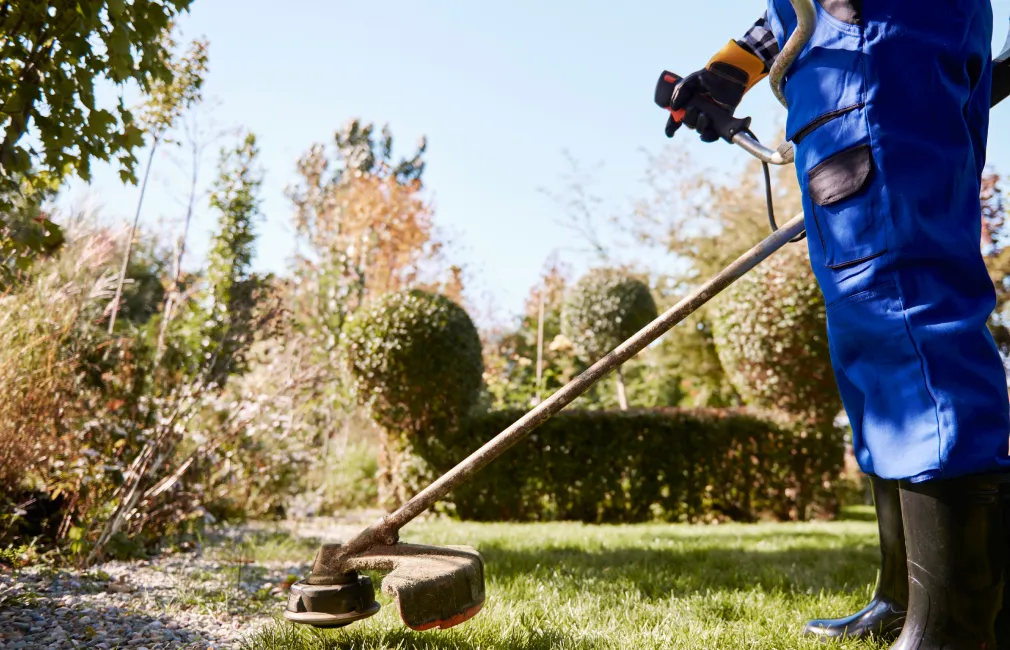
Suncoast Estates Weed Control Types

Pre-Emergent Weed Control
Pre-emergent treatments prevent weed seeds from germinating in your landscape.
-
Post-Emergent Weed Control
Post-emergent solutions target and eliminate existing weeds in lawns and garden beds.
-
Selective Herbicide Application
Selective herbicides remove unwanted weeds while preserving desirable plants and turf.
-
Non-Selective Herbicide Application
Non-selective herbicides are used for total vegetation control in driveways and walkways.
-
Manual Weed Removal
Hand-pulling and mechanical methods offer precise weed removal for sensitive areas.
-
Mulching for Weed Suppression
Applying mulch helps block sunlight and reduce weed growth in landscaped beds.
-
Organic Weed Control Solutions
Eco-friendly options use natural products to manage weeds without harsh chemicals.
Our Weed Control Process
Site Evaluation
Weed Identification
Targeted Treatment
Preventative Measures
Ongoing Monitoring
Why Choose Suncoast Estates Landscape Services
-
Suncoast Estates Homeowners Trust Us
-
Expert Lawn Maintenance
-
Reliable Scheduling
-
Competitive Pricing
-
Professional Team
-
Satisfaction Guarantee
-
Personalized Service
Coordinating Weed Control Services with Lee County Departments in Suncoast Estates
Suncoast Estates is an unincorporated community in Lee County, meaning residents and property managers coordinate weed control matters through county-level departments rather than a municipal government. When herbicide applications occur near roadside swales, drainage ditches, or stormwater conveyances, the Lee County Department of Community Development may be involved if the work intersects with site development standards or land-use compliance. Property owners should verify whether weed control activities near rights-of-way or utility easements require coordination with county transportation or stormwater divisions before proceeding.
Key coordination points for Suncoast Estates residents include:
- Confirming that herbicide drift or runoff will not affect county-maintained swales, canal banks, or stormwater inlets
- Ensuring that commercial applicators working on residential or multi-family properties hold valid FDACS pesticide applicator licenses
- Reporting overgrown or nuisance vegetation on neighboring parcels through Lee County code compliance channels
- Coordinating with Lee County Utilities regarding irrigation schedules that may affect herbicide efficacy or washoff timing
Lee County Department of Community Development
1500 Monroe Street, Fort Myers, FL 33901
Official Website: Lee County Department of Community Development
Lee County Utilities
1500 Monroe Street, Fort Myers, FL 33901
Official Website: Lee County Utilities
How Suncoast Estates's Gulf Coast Climate and Soils Influence Weed Control
Suncoast Estates sits within the Gulf Coast Florida climate zone, classified in USDA Hardiness Zone 10a, where year-round warmth and high humidity create conditions that sustain weed germination across nearly every month. The wet season, typically running from late May through October, produces heavy afternoon thunderstorms that accelerate weed flushes in turf and landscape beds within days of rainfall events. Soils in this part of Lee County are predominantly sandy and poorly structured, with rapid drainage that can leach pre-emergent herbicides below the root zone before they establish an effective barrier.
Conditions that directly affect weed control timing and product performance include:
- High water table: Shallow groundwater in many Suncoast Estates lots limits the depth at which herbicides remain active and increases the risk of lateral movement toward drainage features
- Sandy, nutrient-poor soils: Low organic matter reduces herbicide binding, requiring careful calibration and potentially split applications for pre-emergent products
- Persistent humidity: Warm, moist conditions favor broadleaf weeds such as dollarweed and Florida pusley, as well as grassy weeds like torpedograss and crabgrass, throughout the growing season
- Irrigation dependence: Properties relying on reclaimed or well water may inadvertently activate herbicides prematurely or wash granular products into swales and storm drains
Understanding these local soil and climate dynamics is essential for selecting appropriate herbicide formulations and application rates, as outlined in UF/IFAS lawn maintenance guidance.
Navigating Pesticide Regulations and Stormwater Compliance for Weed Control in Suncoast Estates
Weed control in Suncoast Estates operates under multiple layers of Florida regulatory authority. Florida Statutes Chapter 487 governs pesticide regulation statewide, requiring that any person applying restricted-use herbicides hold appropriate certification through the Florida Department of Agriculture and Consumer Services. Commercial applicators performing weed control on residential or commercial properties must maintain a valid limited commercial or commercial applicator license, which includes demonstrated competency in herbicide safety, label compliance, and environmental protection.
Stormwater compliance is equally critical. Lee County operates under the Florida DEP NPDES Stormwater Program, which regulates pollutant discharge into municipal separate storm sewer systems. Herbicide applications near swales, retention ponds, canal edges, and curb inlets must follow strict drift and runoff prevention protocols. Relevant compliance considerations include:
- Applying herbicides only when wind speeds are below label-specified thresholds to prevent drift toward waterways
- Avoiding application within 24 hours of forecast rainfall to reduce washoff into stormwater conveyances
- Maintaining required buffer distances from canal banks, retention pond edges, and wetland boundaries
- Documenting all applications with product name, EPA registration number, rate, and location as required under state law
FDACS — Pesticide Licensing
3125 Conner Boulevard, Tallahassee, FL 32399
Official Website: FDACS Pesticide Applicator Licenses
Timing Pre-Emergent and Post-Emergent Weed Control Around Suncoast Estates's Wet Season
Effective weed control in Suncoast Estates requires precise timing aligned with the area's subtropical wet-dry cycle and the growth patterns of warm-season turf species such as St. Augustinegrass, bahiagrass, and zoysiagrass. Integrated pest management principles, supported by UF/IFAS lawn care resources, emphasize that chemical control should complement cultural practices rather than replace them.
Professional timing and method standards for this region include:
- Pre-emergent herbicides: Apply in late January through mid-February for spring crabgrass suppression, and again in early September for winter annual weed prevention; sandy soils may require split applications at reduced rates to maintain an effective barrier
- Post-emergent herbicides: Target actively growing broadleaf weeds during periods of moderate temperatures, generally avoiding applications when air temperatures exceed 90°F to reduce turf stress and volatilization
- Wet-season adjustments: During June through September, schedule applications during dry windows of at least 48 hours to allow adequate herbicide absorption before rainfall
- IPM integration: Maintain proper mowing height for the turf species present, ensure irrigation delivers water to the root zone without excess runoff, and address soil compaction or drainage issues that create conditions favorable to weed establishment
- Drift management: Use low-pressure nozzles and appropriate droplet sizes when treating near landscape beds, canal edges, or neighboring properties to prevent off-target damage
Residents should verify current watering restrictions through the South Florida Water Management District, as irrigation timing directly affects herbicide activation and performance.
What Neighborhoods Do We Serve Throughout Suncoast Estates, FL?
- Suncoast Estates proper: This core residential area features older single-family lots with mature landscaping, sandy soils, and established St. Augustinegrass turf that requires consistent pre-emergent scheduling to manage persistent broadleaf and grassy weed pressure.
- Palm Beach Boulevard corridor: Properties along this commercial and residential corridor contend with reflected heat from pavement, compacted fill soils near roadways, and increased weed pressure along sidewalk edges and parking lot perimeters.
- Buckingham area: Adjacent rural-residential parcels often feature larger lot sizes with bahiagrass turf, open drainage swales, and canal-adjacent boundaries that demand careful herbicide placement to protect waterway buffers.
- Ortiz Avenue vicinity: Residential developments near this corridor experience typical subdivision fill-soil conditions, with newer turf installations that benefit from early pre-emergent programs before weed populations become established.
- Tice neighborhood: This nearby community shares similar soil and drainage characteristics with Suncoast Estates, including high water table conditions and proximity to canal systems that require runoff-conscious weed control practices.