
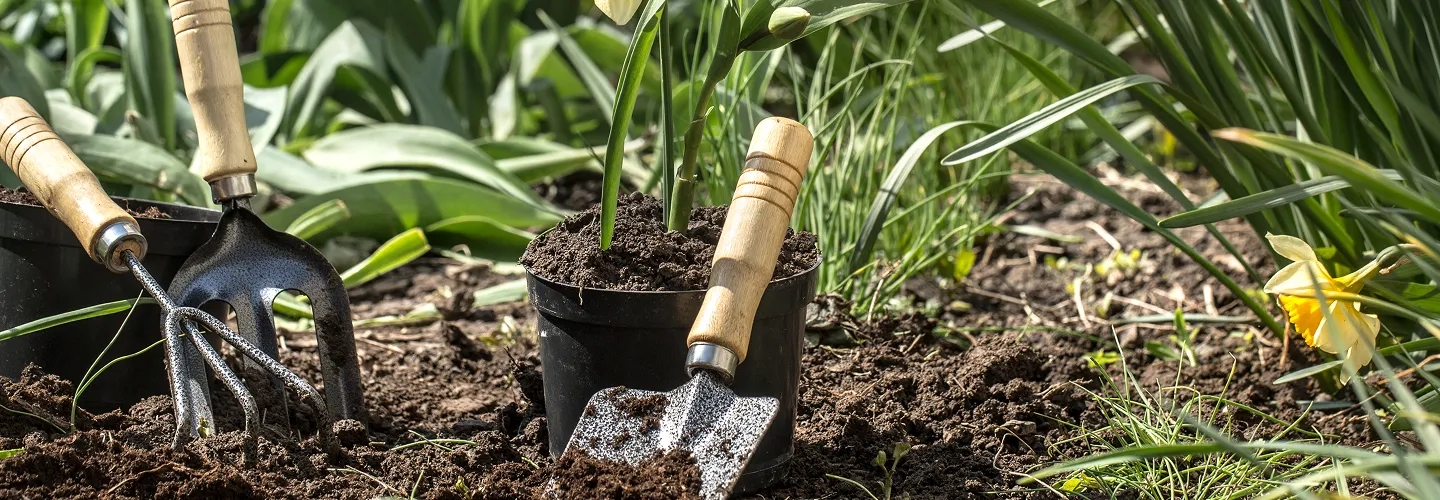
Suncoast Estates Plant Removal Services
Choose our Plant Removal service for expert care, fast turnaround, and a commitment to leaving your property clean and ready for your next project—trust our experienced team to handle even the toughest removals with ease.
Get a Free QuoteOur Suncoast Estates Landscaping & Yard Care Services
When to Schedule Plant Removal in Suncoast Estates, Florida – Seasonal Guide
In Suncoast Estates, Florida, timing your plant removal is crucial for both the health of your landscape and compliance with local guidelines. The region’s subtropical climate means that the best periods for plant removal are typically late winter through early spring, just after the last frost date and before the onset of the rainy season. This window allows for easier root extraction and minimizes regrowth, especially in neighborhoods near Suncoast Boulevard or the shaded lots around Suncoast Estates Park.
Local environmental factors such as high humidity, sandy soils, and the risk of summer droughts play a significant role in determining the optimal removal schedule. For example, removing invasive species before the wet season helps prevent rapid regrowth, while working in drier months reduces soil compaction and disturbance. Always check for municipal restrictions and guidelines, which can be found on the official town website, to ensure your project is compliant.
Local Factors to Consider for Plant Removal in Suncoast Estates
- Proximity to water bodies and flood-prone areas
- Tree density and shade coverage, especially near Suncoast Estates Park
- Soil type (sandy vs. loamy) and drainage
- Seasonal precipitation patterns and drought risk
- Local municipal restrictions and permit requirements
- Accessibility of terrain and presence of protected species
Benefits of Plant Removal in Suncoast Estates
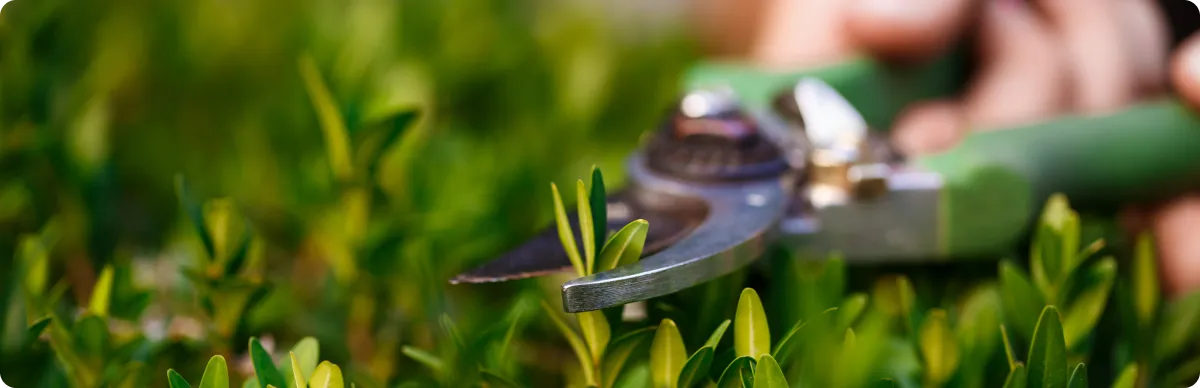
Improved Curb Appeal
Healthier Landscapes
Enhanced Property Value
Reduced Pest Infestations
Efficient Land Use
Professional and Safe Removal
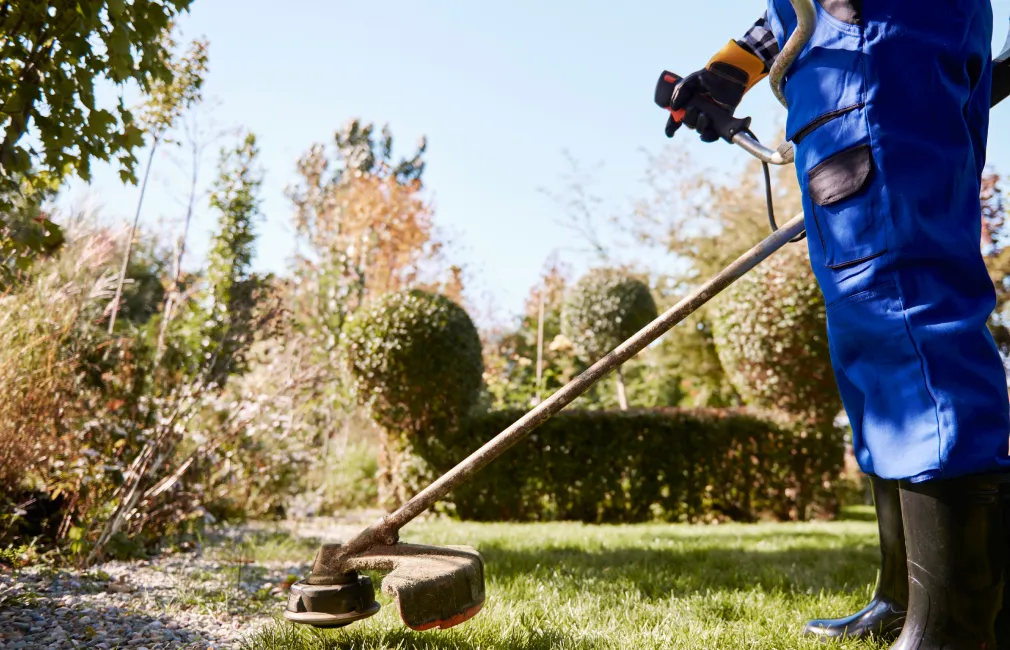
Suncoast Estates Plant Removal Types

Tree Removal
-
Shrub Removal
-
Stump Grinding
-
Invasive Species Removal
-
Hedge Removal
-
Root System Extraction
-
Overgrown Vegetation Clearing
Our Plant Removal Process
Site Evaluation
Preparation and Safety Measures
Plant Uprooting
Debris Removal
Site Restoration
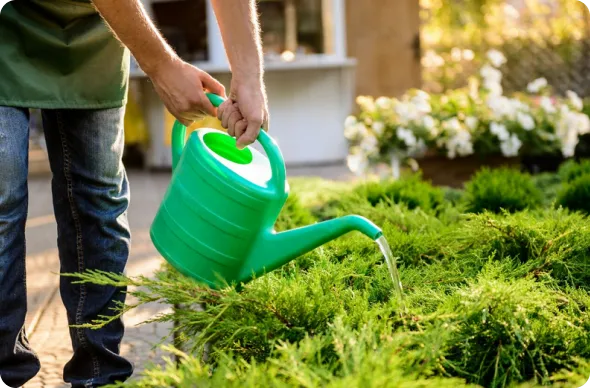
Why Choose Suncoast Estates Landscape Services
-
Suncoast Estates Homeowners Trust Us
-
Expert Lawn Maintenance
-
Reliable Scheduling
-
Competitive Pricing
-
Professional Team
-
Satisfaction Guarantee
-
Personalized Service
Coordinating Plant Removal with Lee County Public Works and Stormwater Guidance
Plant removal in Suncoast Estates, FL, requires careful coordination with Lee County’s Department of Public Works, especially when dealing with vegetative debris and potential impacts on local drainage systems. Residents and property managers must ensure that all removed plant material is properly staged for collection and does not obstruct swales, storm drains, or canal edges. The county’s yard waste collection program typically requires that debris be separated from other waste streams and placed curbside in accordance with local guidelines. For larger projects or those near public rights-of-way, it is essential to verify if additional review or notification is needed to prevent disruption to drainage infrastructure or traffic flow. When planning significant plant removal, consider the following steps:
- Separate green waste from other debris and avoid blocking stormwater inlets
- Schedule removal activities to align with county collection days when possible
- Confirm with the Department of Public Works if special pickup or right-of-way clearance is required
Municipal Contacts:
Lee County Department of Transportation
1500 Monroe St, Suncoast Estates, FL 33916
Phone: 239-533-8580
Official Website: Lee County Department of Transportation
How Suncoast Estates’s Gulf Coast Climate and Soils Affect Plant Removal
Suncoast Estates is situated within the Gulf Coast Florida region, characterized by a subtropical climate, high humidity, and a pronounced wet season from late spring through early fall. These conditions influence plant removal in several ways:
- Soils are predominantly sandy or fill-based, which can lead to rapid drainage but also increase the risk of erosion and root-zone disturbance during removal
- The high water table and frequent summer rainfall mean that exposed soil after plant removal is vulnerable to runoff, potentially carrying sediment and nutrients into nearby canals and swales
- Intense heat and humidity accelerate decomposition of organic debris, but also create challenges for site stabilization and replanting
It is important to plan removal activities outside of peak storm events and to implement erosion control measures, such as temporary mulch or silt barriers, especially on sloped or canal-adjacent properties. For more on local soils, consult the USDA Web Soil Survey and for climate context, refer to the USDA Plant Hardiness Zone Map.
Regulatory Requirements and Environmental Compliance for Plant Removal in Suncoast Estates
Plant removal in Suncoast Estates is subject to both county-level and state environmental regulations. Lee County requires that all vegetative debris be managed in accordance with local code to prevent obstruction of drainage systems and to protect water quality. Removal activities near canals, swales, or stormwater inlets may trigger additional review to ensure compliance with the Florida DEP NPDES Stormwater Program, which aims to minimize pollutant runoff into surface waters. For projects involving invasive or nuisance species, proper disposal is critical to prevent reestablishment or spread. Residents should also be aware of the Clean Water Act provisions regarding sediment and debris discharge.
Municipal Contacts:
Lee County Department of Community Development
1500 Monroe St, Suncoast Estates, FL 33916
Phone: 239-533-8585
Official Website: Lee County Department of Community Development
Professional Standards and Timing for Plant Removal in Suncoast Estates’s Wet and Dry Seasons
Effective plant removal in Suncoast Estates requires attention to both timing and technique, given the region’s distinct wet and dry seasons. Removal is generally best scheduled during the drier months (late fall through early spring) to reduce the risk of soil erosion and runoff. When removing established plants, it is important to:
- Minimize disturbance to the root zone to prevent destabilization of adjacent soil
- Immediately stabilize exposed areas with mulch, groundcover, or erosion-control fabric
- Avoid leaving debris in swales, canal banks, or near storm drains, as this can impede drainage and contribute to water quality issues
- Use hand tools or low-impact machinery where possible to limit compaction and site disturbance
For additional guidance on protecting water resources during landscape work, see UF/IFAS Gardening Solutions - Protecting Florida’s Water Resources and EPA Stormwater Discharges from Municipal Sources.
What Neighborhoods Do We Serve Throughout Suncoast Estates, FL?
- Suncoast Estates Core This area features a mix of older lots and newer infill, with mature landscaping and variable drainage patterns requiring careful debris management.
- North Suncoast Estates Characterized by larger lots and proximity to canal systems, plant removal here often involves attention to swale and waterway protection.
- East Suncoast Estates Lots in this section may have higher water tables and are more prone to seasonal flooding, making erosion control after removal especially important.
- West Suncoast Estates This area includes properties adjacent to public rights-of-way and utility easements, where coordination with county departments is often necessary.
- South Suncoast Estates With a mix of shaded and open lots, plant removal projects here must account for both sun exposure and runoff toward nearby drainage features.