
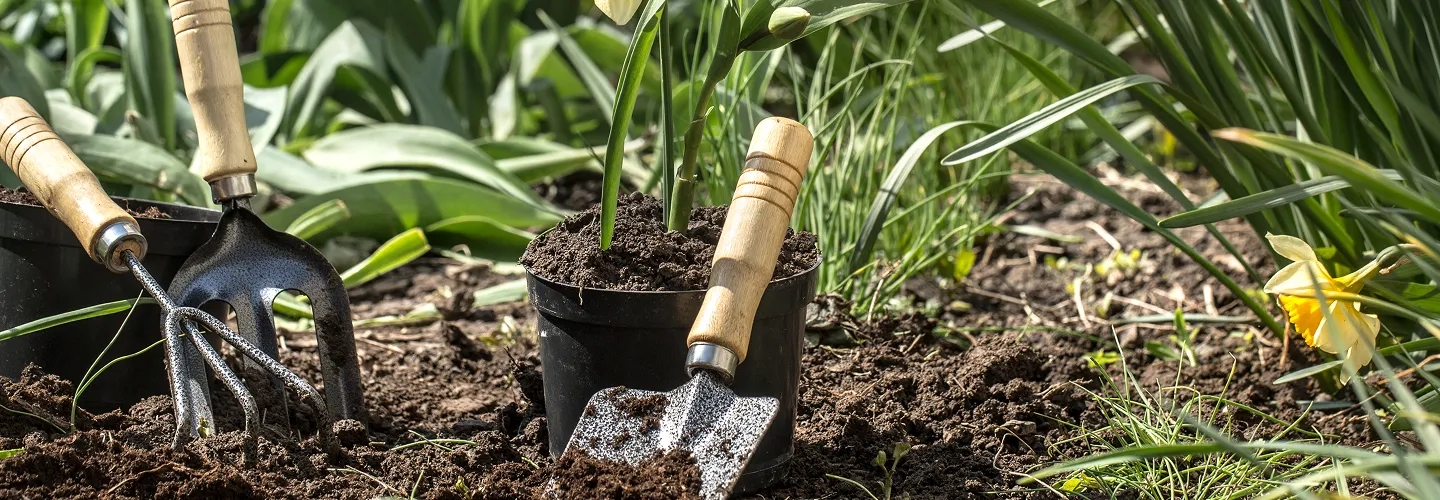
Suncoast Estates Flower Planting Services
Choose our flower planting services for vibrant, expertly arranged blooms that enhance your curb appeal and thrive in our local climate—bringing lasting beauty to your home.
Get a Free QuoteOur Suncoast Estates Landscaping & Yard Care Services
When to Schedule Flower Planting in Suncoast Estates, Florida – Seasonal Guide
In Suncoast Estates, Florida, timing your flower planting is crucial for vibrant, long-lasting blooms. The region’s subtropical climate means mild winters and hot, humid summers, so the best planting windows are typically late winter through early spring and again in early fall. Planting during these periods allows flowers to establish strong roots before the peak summer heat or occasional winter chills. Local neighborhoods like Orange Grove Park and the areas near Suncoast Estates Community Center often experience microclimates due to varying tree cover and proximity to water bodies, which can influence planting success.
When planning your flower beds, consider Suncoast Estates’ unique environmental factors such as the risk of late frosts (usually past by mid-February), periods of drought in late spring, and the sandy, well-draining soils common throughout the area. Humidity levels can promote fungal growth, so selecting disease-resistant varieties is wise. For more detailed local planting guidelines, visit the official Suncoast Estates resource.
Local Factors to Consider for Flower Planting in Suncoast Estates
- Tree density and shade coverage in neighborhoods like Pine Manor
- Soil type (sandy, well-draining soils are prevalent)
- Average precipitation and risk of drought, especially in late spring
- Frost dates (typically ending mid-February)
- Municipal restrictions or HOA guidelines on landscaping
- Terrain variations, such as low-lying areas prone to standing water
Benefits of Flower Planting in Suncoast Estates
Enhanced Curb Appeal
Increased Property Value
Expert Plant Selection
Seasonal Color Variety
Low Maintenance Solutions
Eco-Friendly Landscaping
Types
Our Flower Planting Process
Site Evaluation
Soil Preparation
Flower Selection
Planting
Watering and Mulching
Why Choose Suncoast Estates Landscape Services

Suncoast Estates Homeowners Trust Us
-
Expert Lawn Maintenance
-
Reliable Scheduling
-
Competitive Pricing
-
Professional Team
-
Satisfaction Guarantee
-
Personalized Service
Coordinating Flower Planting Projects with Lee County Departments in Suncoast Estates
Suncoast Estates is an unincorporated community in Lee County, meaning residents and property managers coordinate landscaping activities—including flower planting—through county-level departments rather than a municipal government. Before beginning any flower planting project that involves site grading, irrigation modifications, or work within rights-of-way or utility easements, property owners should confirm whether a development review or land-use compliance step applies through the Lee County Department of Community Development. Projects adjacent to drainage swales, canal easements, or stormwater retention areas may require additional coordination to ensure planted materials do not obstruct water flow or compromise infrastructure.
- Verify whether flower bed installations near property frontages or rights-of-way require review through Lee County's zoning or community development offices
- Confirm irrigation connections or modifications with Lee County Utilities, particularly if reclaimed water service is available in the area
- Coordinate any soil import, grading changes, or bed construction near swales or retention ponds with county stormwater staff
Lee County Department of Community Development
1500 Monroe Street, Fort Myers, FL 33901
Official Website: Lee County Department of Community Development
Lee County Parks and Recreation
3410 Palm Beach Boulevard, Fort Myers, FL 33916
Official Website: Lee County Parks and Recreation
How Suncoast Estates's Gulf Coast Climate and Soils Shape Flower Planting
Suncoast Estates sits within USDA Hardiness Zone 10a, characteristic of the Gulf Coast Florida region, where subtropical heat, high humidity, and a pronounced wet season from June through October define the growing environment. These conditions directly influence which flowering species establish successfully and how planting beds must be prepared. The area's soils are predominantly sandy with low organic matter and rapid drainage, which means nutrients leach quickly and supplemental soil amendments are typically necessary before planting. The high water table common in low-lying portions of Suncoast Estates can saturate root zones during the wet season, making raised bed construction or mounding advisable for species sensitive to standing moisture.
- Summer afternoon temperatures regularly exceed 90°F, creating heat stress for shallow-rooted annuals planted without adequate mulch cover
- Sandy soils drain rapidly but retain very little moisture or nutrients, requiring organic amendment at planting time
- Humidity-driven fungal pressure affects species such as impatiens and petunias if planted without adequate air circulation
- Salt exposure is minimal in Suncoast Estates compared to barrier-island communities, broadening the viable planting palette
- Wet-season rainfall can deliver several inches in a single event, making drainage planning around flower beds essential to prevent washout and sediment movement into nearby swales or storm drains
Residents can reference the USDA Plant Hardiness Zone Map to confirm zone-appropriate species selections, and the USDA Web Soil Survey provides parcel-level soil data useful for bed preparation planning.
Navigating Lee County Regulations and Environmental Compliance for Flower Planting
While routine flower planting on residential lots does not typically trigger a formal permit in Lee County, several regulatory layers may apply depending on project scope and site location. Properties within flood zones, adjacent to preserved wetlands, or near county-maintained drainage infrastructure may face additional review requirements. Lee County's land development code addresses landscaping standards for commercial and multifamily properties, and flower bed installations that alter grading, impervious surface ratios, or stormwater flow patterns should be reviewed against current zoning requirements.
- Any fertilizer applied during or after flower planting should comply with Florida Statutes §403.9337, which establishes the model ordinance framework for Florida-Friendly fertilizer use on urban landscapes
- Chemical pest or weed treatments applied to flower beds require proper licensing through the Florida Department of Agriculture and Consumer Services when performed commercially
- Soil, mulch, and organic debris must be kept out of swales, canal banks, curb inlets, and retention areas to maintain compliance with Florida DEP NPDES stormwater requirements
- Verify current irrigation restrictions with Lee County Utilities before establishing watering schedules for newly planted beds, as restrictions may vary by water management district directive and drought stage
Lee County Utilities
1500 Monroe Street, Fort Myers, FL 33901
Official Website: Lee County Utilities
Timing and Professional Methods for Flower Planting in Suncoast Estates's Subtropical Climate
Flower planting in Suncoast Estates follows two primary installation windows aligned with the region's climate cycle. Cool-season annuals such as petunias, snapdragons, and dianthus establish most reliably when planted between late October and early February, when temperatures moderate and humidity decreases. Warm-season and tropical perennials—including pentas, lantana, firebush, and salvia—perform well when installed from March through May, allowing root establishment before the heaviest summer rains arrive. Planting during the peak wet season (July through September) is feasible but requires careful drainage management and heightened attention to fungal disease prevention.
- Amend sandy native soil with composted organic matter to a depth of at least six inches before planting to improve moisture retention and nutrient availability
- Apply two to three inches of mulch around planted flowers, keeping mulch pulled back from stems to reduce crown rot risk in humid conditions
- Install drip irrigation or micro-spray emitters rather than overhead sprinklers to minimize foliar moisture and reduce fungal pressure
- Group species by water and sun exposure requirements—a practice known as hydrozoning—to prevent overwatering drought-tolerant selections or underwatering moisture-dependent varieties
- Schedule initial watering to early morning hours to allow foliage to dry before afternoon humidity peaks, consistent with EPA WaterSense outdoor guidance
What Neighborhoods Do We Serve Throughout Suncoast Estates, FL?
- Suncoast Estates proper — Older residential lots with mature tree canopy create mixed sun-and-shade conditions requiring careful species selection for flower beds beneath oaks and palms.
- Palm Beach Boulevard corridor — Properties along this commercial and residential corridor face reflected heat from pavement and higher visibility standards, making heat-tolerant flowering species and consistent bed maintenance particularly important.
- Tropicana Park area — Lots near park greenspace and drainage infrastructure benefit from proximity to open areas but require attention to runoff routing away from county-maintained swales.
- North Fort Myers adjacent sections — Parcels bordering the North Fort Myers community share similar sandy soil profiles and may have access to county utility irrigation connections that influence watering schedules for new plantings.
- Canal-adjacent properties — Homes situated near drainage canals must ensure that soil amendments, mulch, and fertilizer materials do not migrate into waterways during rain events, consistent with county stormwater protection standards.