
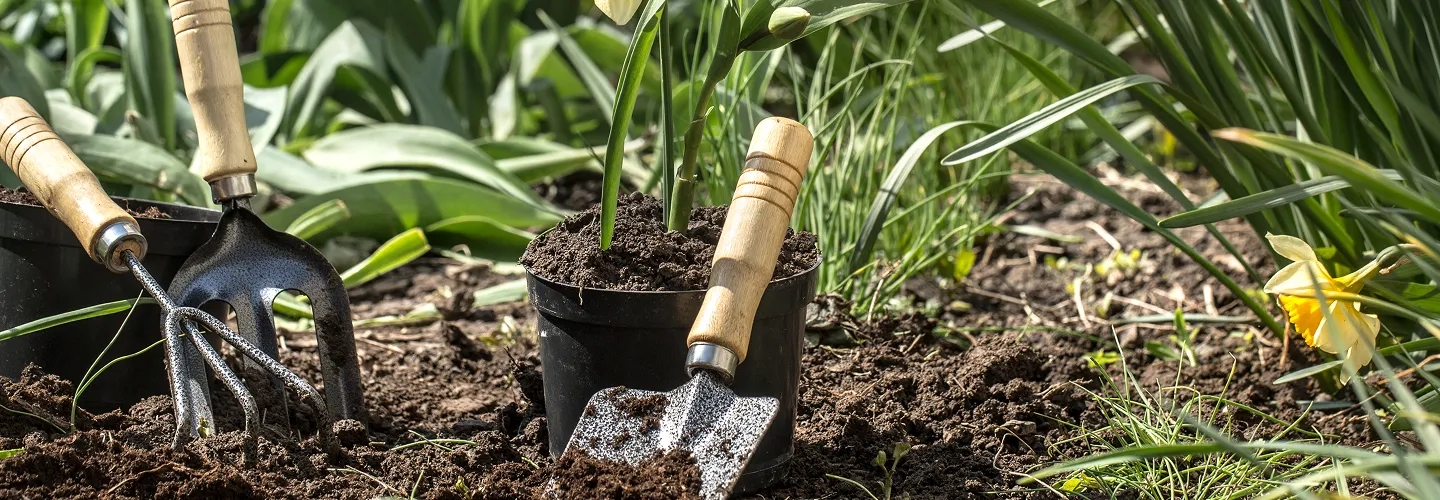
Suncoast Estates Weeding Services
Choose our expert weeding services for a healthier, more beautiful landscape—our experienced team removes unwanted growth efficiently, ensuring your plants have the space and nutrients they need to flourish.
Get a Free QuoteOur Suncoast Estates Landscaping & Yard Care Services
When to Schedule Weeding in Suncoast Estates, Florida – Seasonal Guide
In Suncoast Estates, Florida, the timing of weeding is crucial for maintaining healthy, attractive landscapes throughout the year. Thanks to our subtropical climate, weeds can thrive nearly year-round, but the most effective weeding schedules are tailored to local weather patterns and environmental conditions. Early spring and late fall are generally optimal, as these periods align with moderate temperatures and increased soil moisture, making weed removal easier and more effective.
Local factors such as the proximity to the Caloosahatchee River, the sandy soils common in neighborhoods like Suncoast Estates Park, and the risk of summer droughts all play a role in determining the best times for weeding. Homeowners should also consider the region’s high humidity and frequent afternoon showers, which can accelerate weed growth, especially in shaded areas or beneath dense tree canopies. For more information on local environmental guidelines, visit the official Suncoast Estates resource.
Local Factors to Consider for Weeding in Suncoast Estates
- Tree density and shade coverage in your yard
- Soil type (sandy, loamy, or clay)
- Seasonal precipitation and risk of drought
- Proximity to water bodies like the Caloosahatchee River
- Municipal restrictions or neighborhood association guidelines
- Terrain and slope, which affect water runoff and weed spread
Benefits of Weeding in Suncoast Estates
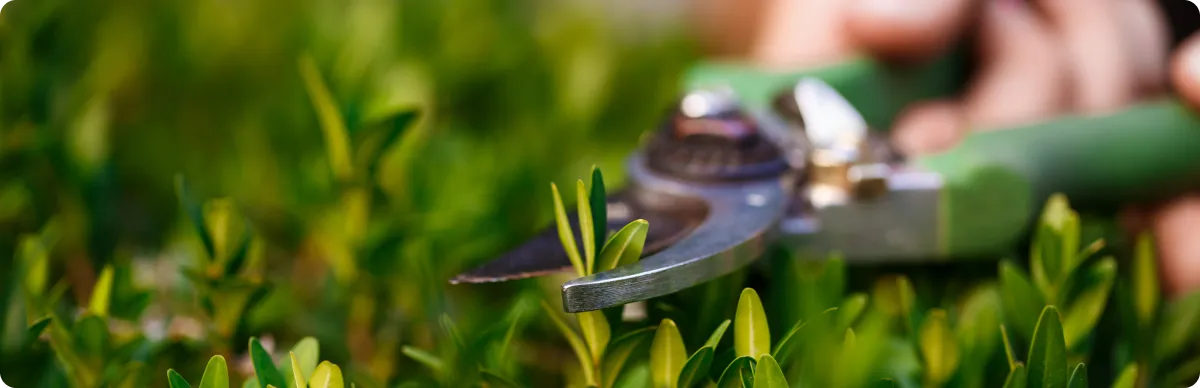
Enhanced Curb Appeal
Healthier Plant Growth
Reduced Pest Infestation
Improved Soil Quality
Increased Property Value
Professional and Reliable Service
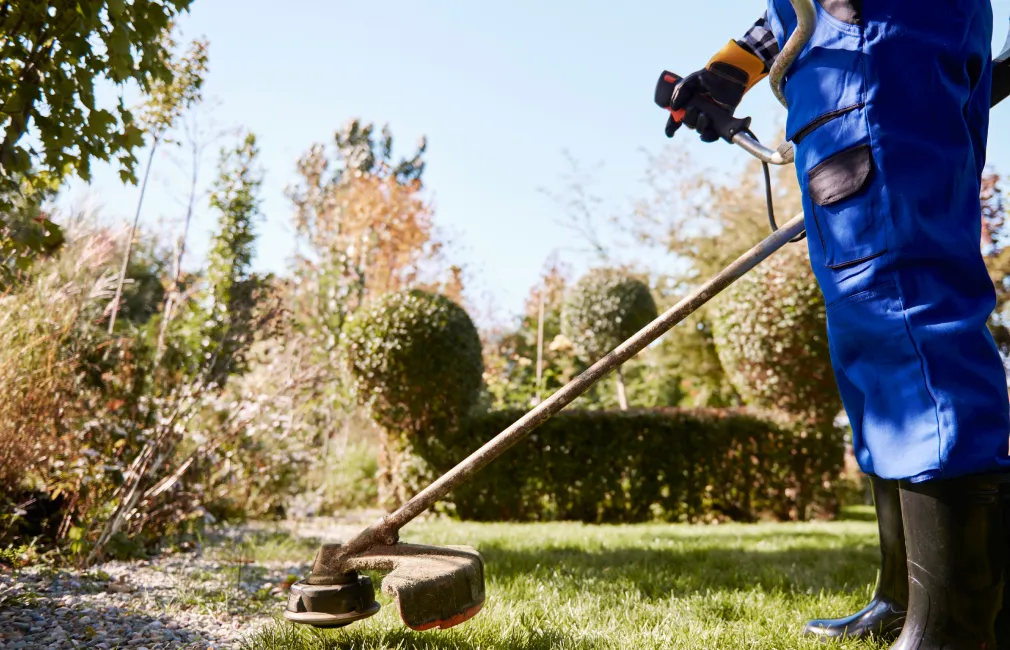
Suncoast Estates Weeding Types

Hand Weeding
-
Mulch Application
-
Pre-Emergent Herbicide Treatment
-
Post-Emergent Herbicide Application
-
Mechanical Weeding
-
Flame Weeding
-
Soil Solarization
Our Weeding Process
Site Evaluation
Weed Identification
Manual Removal
Soil Cultivation
Preventative Measures
Why Choose Suncoast Estates Landscape Services
-
Suncoast Estates Homeowners Trust Us
-
Expert Lawn Maintenance
-
Reliable Scheduling
-
Competitive Pricing
-
Professional Team
-
Satisfaction Guarantee
-
Personalized Service
Coordinating Weeding Services with Lee County Departments in Suncoast Estates
Suncoast Estates is an unincorporated community in Lee County, which means residents and property managers coordinate landscape maintenance—including weeding—through county-level departments rather than a municipal government. Weeding activities that generate vegetative debris must comply with Lee County's yard waste collection and disposal procedures. Property owners should verify current curbside pickup schedules and bundling requirements for organic material through the county's public services division before placing pulled weeds, root masses, or soil-laden debris at the curb. When weeding occurs near drainage swales, roadside ditches, or stormwater conveyances maintained by the county, care must be taken to prevent loose soil, plant fragments, or chemical residues from entering these systems.
Lee County Department of Community Development
1500 Monroe Street, Fort Myers, FL 33901
Official Website: Lee County Department of Community Development
- Confirm yard waste disposal rules before large-scale bed or landscape weeding projects
- Avoid depositing pulled weeds, soil, or organic matter into swales or drainage inlets
- Properties adjacent to county-maintained rights-of-way should coordinate any weeding that extends into easement areas
- Code compliance inquiries regarding overgrown or neglected vegetation can be directed through Lee County's community development resources
How Suncoast Estates's Gulf Coast Climate Drives Year-Round Weed Pressure
Suncoast Estates sits within the Gulf Coast Florida climate zone, classified in USDA Hardiness Zone 10a, where mild winters and intense subtropical summers create conditions that sustain weed germination across nearly every month of the year. The area's sandy, low-nutrient soils—common throughout Lee County's inland subdivisions—drain rapidly but offer little resistance to weed root establishment, particularly in landscape beds where mulch has thinned or decomposed. Several environmental factors directly shape weeding demands in this community:
- Wet-season rainfall (June through October) triggers rapid weed flushes, especially in beds and along hardscape edges where moisture collects
- High humidity and warm soil temperatures allow broadleaf and grassy weeds to germinate repeatedly without a true dormancy break
- Sandy soils with low organic content leach pre-emergent products more quickly, reducing their effective window
- High water table conditions in low-lying areas of Suncoast Estates keep root zones moist, favoring sedge species and other moisture-loving weeds
- Reflected heat from driveways and walkways accelerates weed growth along bed borders and expansion joints
These conditions mean that weeding in Suncoast Estates is not a seasonal task but a continuous management requirement, with the most intense pressure occurring from late spring through early fall.
Navigating Herbicide Regulations and Stormwater Compliance for Weeding in Suncoast Estates
Any chemical weed control performed in Suncoast Estates must comply with Florida's pesticide regulatory framework. Under Florida Statutes Chapter 487, commercial applicators who apply herbicides for compensation must hold valid certification through the Florida Department of Agriculture and Consumer Services (FDACS). Residents applying herbicides on their own property are not required to hold a license but must follow all label directions, which carry the force of law in Florida.
- Herbicide applications near swales, retention areas, or drainage ditches must avoid direct or indirect discharge into stormwater conveyances, consistent with the Florida DEP NPDES Stormwater Program
- Pre-emergent herbicides applied to sandy soils in Suncoast Estates may require irrigation activation within label-specified windows to bind properly before leaching occurs
- Post-emergent spot treatments should be timed to avoid application immediately before forecast rainfall to reduce runoff risk
- Drift control is essential when treating weeds near canals, ponds, or wetland buffers common in Lee County subdivisions
Lee County Parks and Recreation
Official Website: Lee County Parks and Recreation
Properties adjacent to county park land or greenway corridors should ensure that herbicide drift does not affect public plantings or natural areas managed by Lee County Parks and Recreation.
Timing Weeding Around Suncoast Estates's Wet Season and Soil Conditions
Professional weeding standards in Suncoast Estates must account for the area's subtropical growth cycles and soil behavior. Effective weed management relies on correct timing, appropriate methods, and integration with other landscape maintenance activities.
- Hand weeding is most effective when performed after rainfall has softened the sandy soil, allowing full root extraction and reducing the chance of regrowth from broken root fragments
- Pre-emergent applications should be timed in late February to early March and again in early September to intercept the two primary germination waves common in Gulf Coast Florida
- Mulch depth in landscape beds should be maintained at approximately three inches to suppress weed seed germination while allowing irrigation penetration; deeper mulch layers can trap moisture and promote fungal issues in Suncoast Estates's humid conditions
- Bed-edge maintenance along sidewalks, driveways, and curbs prevents stoloniferous grasses from creeping into planting areas
- Post-rain inspections during wet season are critical, as a single heavy rainfall event can trigger visible weed emergence within days
As recommended by UF/IFAS Gardening Solutions, keeping organic debris and loose soil out of stormwater systems during weeding operations protects local water quality. All pulled weeds should be collected and removed from the site rather than left along swale edges or near storm-drain inlets.
Lee County Utilities
Official Website: Lee County Utilities
Property owners on county water or reclaimed irrigation systems should verify current watering schedules through Lee County Utilities, as irrigation timing directly affects pre-emergent activation and post-weeding recovery of desirable plantings.
What Neighborhoods Do We Serve Throughout Suncoast Estates, FL?
- Suncoast Estates proper — Established residential lots with mature landscaping and sandy soils that require consistent bed weeding and mulch replenishment to suppress persistent warm-season weed species.
- Palm Beach Boulevard corridor areas — Properties along this commercial and residential corridor face increased weed pressure from reflected heat, compacted fill soils, and high-traffic bed edges adjacent to paved surfaces.
- Buckingham Road vicinity — Larger rural-residential parcels in this area often feature open drainage swales and unmulched bed areas where sedge and broadleaf weeds establish rapidly during wet season.
- Ortiz Avenue adjacent sections — Subdivisions near Ortiz Avenue tend toward smaller lot sizes with closely spaced landscape beds, requiring frequent hand weeding and careful herbicide placement to avoid drift onto neighboring properties.
- Canal-adjacent properties along Ten Mile Canal — Lots bordering canal infrastructure demand runoff-conscious weeding practices, with particular attention to preventing soil disturbance and chemical discharge near waterway edges.